Most people planning a Namibia trip rule out the green season without a second thought. The rain puts them off. The wildlife guides mention lower visibility. The forums say to go in the dry season if you want to see animals.
They’re not wrong, exactly. But they’re missing something.
Here’s the honest case for Namibia’s green season — and why April and May in particular deserve a closer look.
April and May — the tail end of Namibia’s rainy season — are arguably the most underrated months on the Namibia travel calendar. Not for every traveller, and not for every itinerary. But for the right person? This might be the best time to go.
When Exactly Is Namibia’s Green Season?
Technically, Namibia’s green season runs from November through to April, when the summer rains arrive and briefly transform the desert landscape. But for self-drive travellers, the sweet spot is narrower than that: late April into May, when the heaviest rains have passed, temperatures have eased, the vegetation is still lush, and the roads are at their most manageable. You get all the beauty of the season without the worst of the heat or the highest risk of impassable tracks. It’s the green season at its most accessible — and its most underrated.
The Landscape Looks Like Nothing Else
Namibia’s reputation is built on its arid, ochre emptiness — and rightly so. But visit in April or May and you’ll find a version of the country most travellers never see.
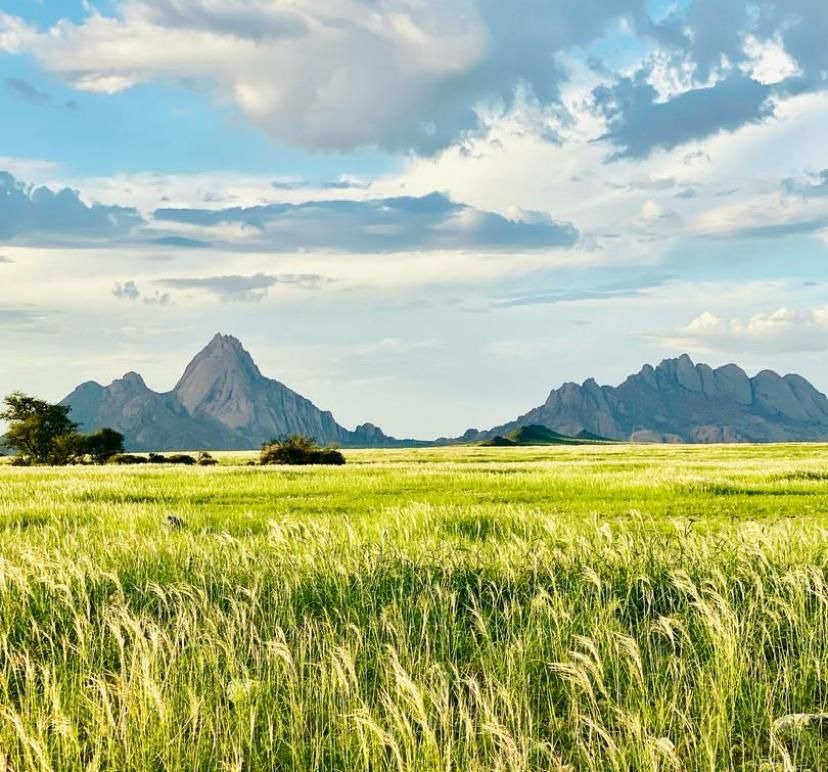
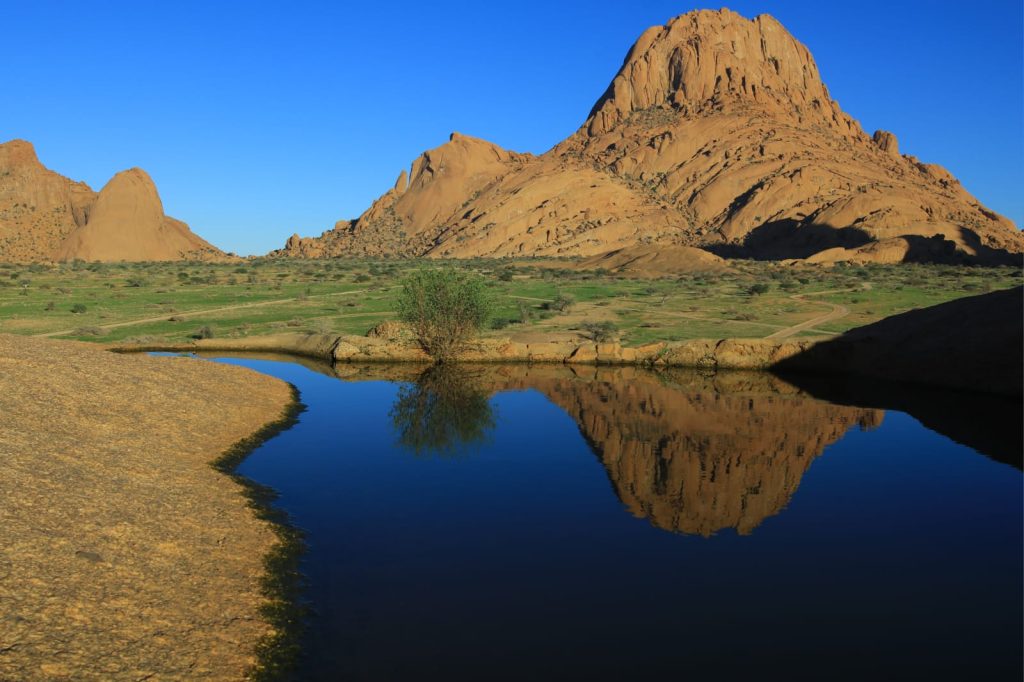
The desert is green. Not lush, subtropical green — this is still Namibia — but genuinely, startlingly alive. Grasses cover the plains. Waterholes fill naturally. The Namib glows in colours that simply don’t exist in August. The skies are dramatic in a way that photographers chase but rarely capture: towering clouds, golden afternoon light, landscapes that look like they’ve been over-edited until you realise you’re just standing in them.
The rains have largely eased by late April. You’re not driving through a monsoon. You’re experiencing the aftermath — a landscape that’s been refreshed and is quietly thriving before the dry months reclaim it.
Fewer Crowds, Lower Prices
This is straightforward. The dry season — May through October — is peak season. Lodges fill up. Park concessions get busy. Popular spots like Deadvlei and the Etosha waterholes attract queues of vehicles that didn’t exist a decade ago.
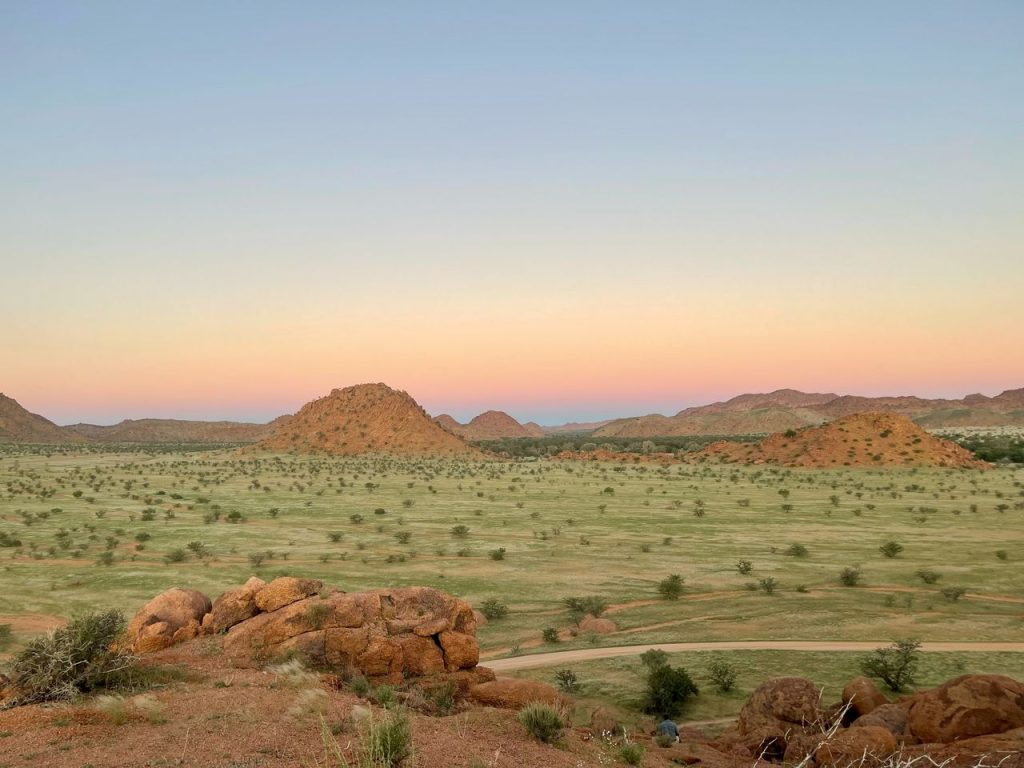
The green season is the opposite. You’ll find accommodation significantly cheaper across the board, including at properties that would otherwise be out of reach. You’ll have viewpoints to yourself. You’ll drive for hours without seeing another car.
For self-drive travellers especially, this matters. The experience of Namibia at its most remote and unhurried is still very much available — you just have to time your trip correctly.
Green Season Wildlife: Different, Not Absent
This is where the green season gets an unfair reputation.
It’s true that spotting game is harder when the vegetation is thick and animals are spread across the landscape rather than concentrated at shrinking waterholes. If your primary goal is maximum wildlife sightings, the dry season wins.
But the green season brings its own rewards. This is when Namibia’s bird life reaches its peak — thousands of migratory species arrive, and the birding is genuinely world-class. Etosha and the northern parks teem with newborn animals: calves, foals, cubs. Predators are active. If you slow down and look, there’s more happening than the surface suggests.
The difference is approach. Dry season wildlife viewing is often about volume. Green season is about attention.
Who Should Consider It
The green season isn’t for everyone, and it’s worth being honest about that.
If your heart is set on the classic Etosha waterhole experience — lions at dusk, elephants at noon, an endless parade of animals coming to drink — go in July or August. The green season won’t give you that, and you shouldn’t pretend otherwise.
But if you’re a photographer, a birder, a traveller who prefers quiet over crowds, or someone who simply wants to experience a side of Namibia that most visitors never see — April and May deserve serious consideration.
The budget-conscious traveller will also find the numbers compelling. The same trip, the same lodges, the same roads: meaningfully cheaper, with fewer people on them.
A Few Practical Notes
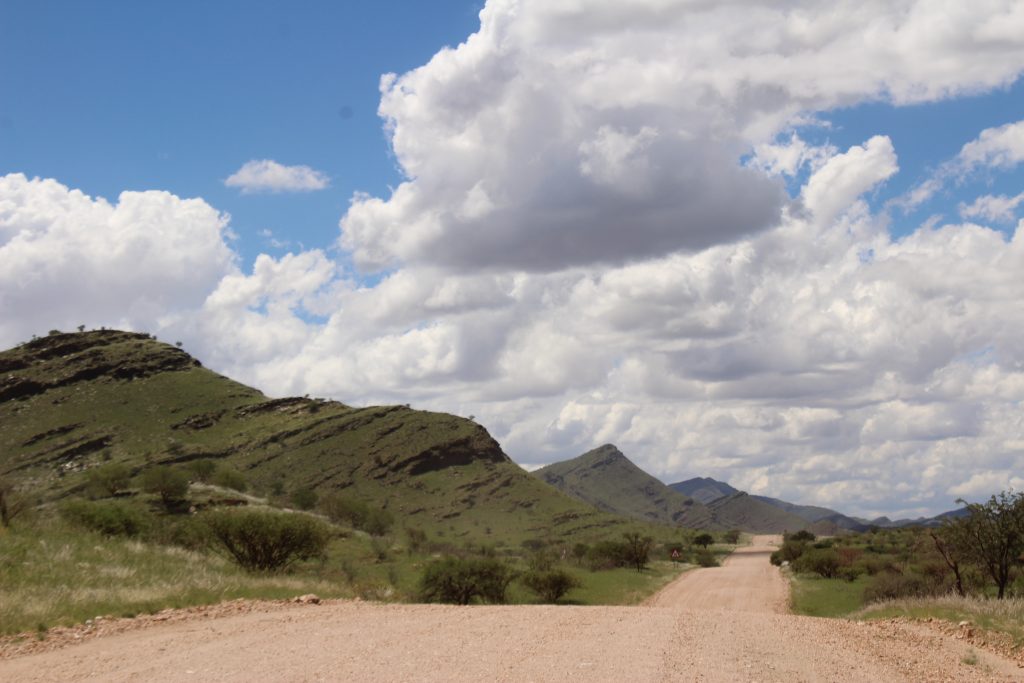
Road conditions vary more in the green season, and some routes — particularly in the far north — can become impassable after heavy rain. Check conditions before you go and build flexibility into your itinerary. The Pocket Guide Namibia app includes road condition updates and flags seasonal route considerations, which is worth checking as your departure approaches.
Pack for warmth as well as sun. May nights in Namibia can be genuinely cold, and the temperature swings between day and night are more pronounced than many travellers expect.
And book accommodation earlier than you think you need to. The green season is quieter, but the best-value lodges still fill up — particularly over Easter and school holiday periods.
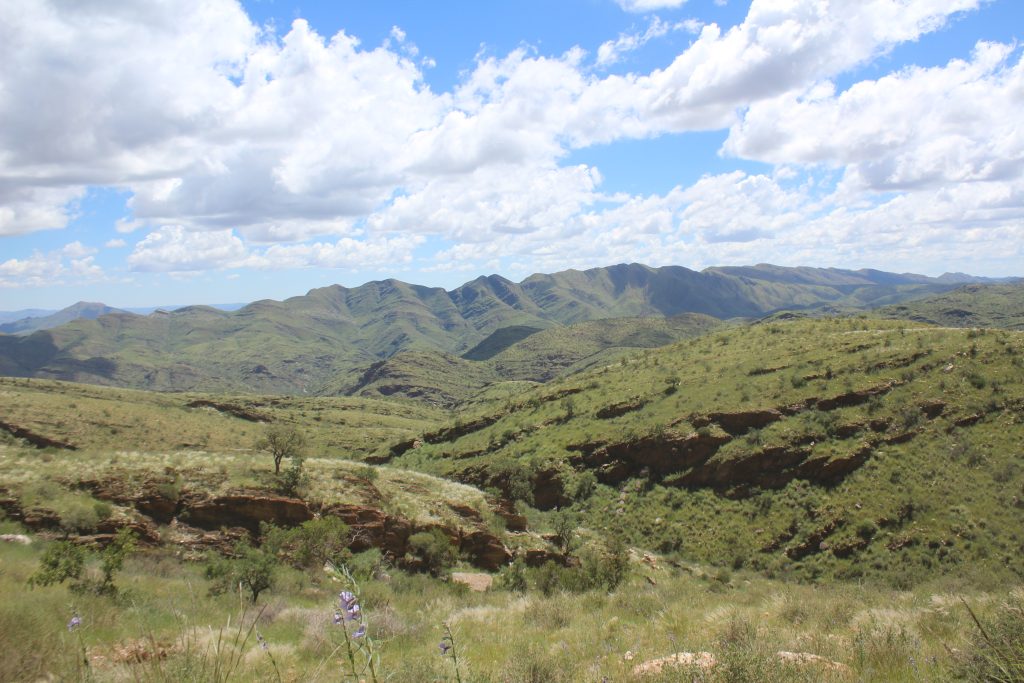
Namibia in the green season asks something of you. It asks you to look differently, move more slowly, and let go of the checklist approach to wildlife that many people use in the dry season.
In return, it shows you something most visitors never see: a desert country, transformed and beautifully, alive.
Planning a green season trip? The Pocket Guide Namibia app has route guides, road condition updates, and curated accommodation options to help you plan — available offline once downloaded.

1 comment
[…] Green season (November–April) is a different park entirely. Animals get much of their water from the vegetation they eat, and temporary puddles form across the pan — so they’re dispersed and move less predictably. Sightings require more patience. But there are genuine advantages: newborn animals, migratory species returning from walkabout, dramatic skies, and far fewer vehicles at every waterhole. […]