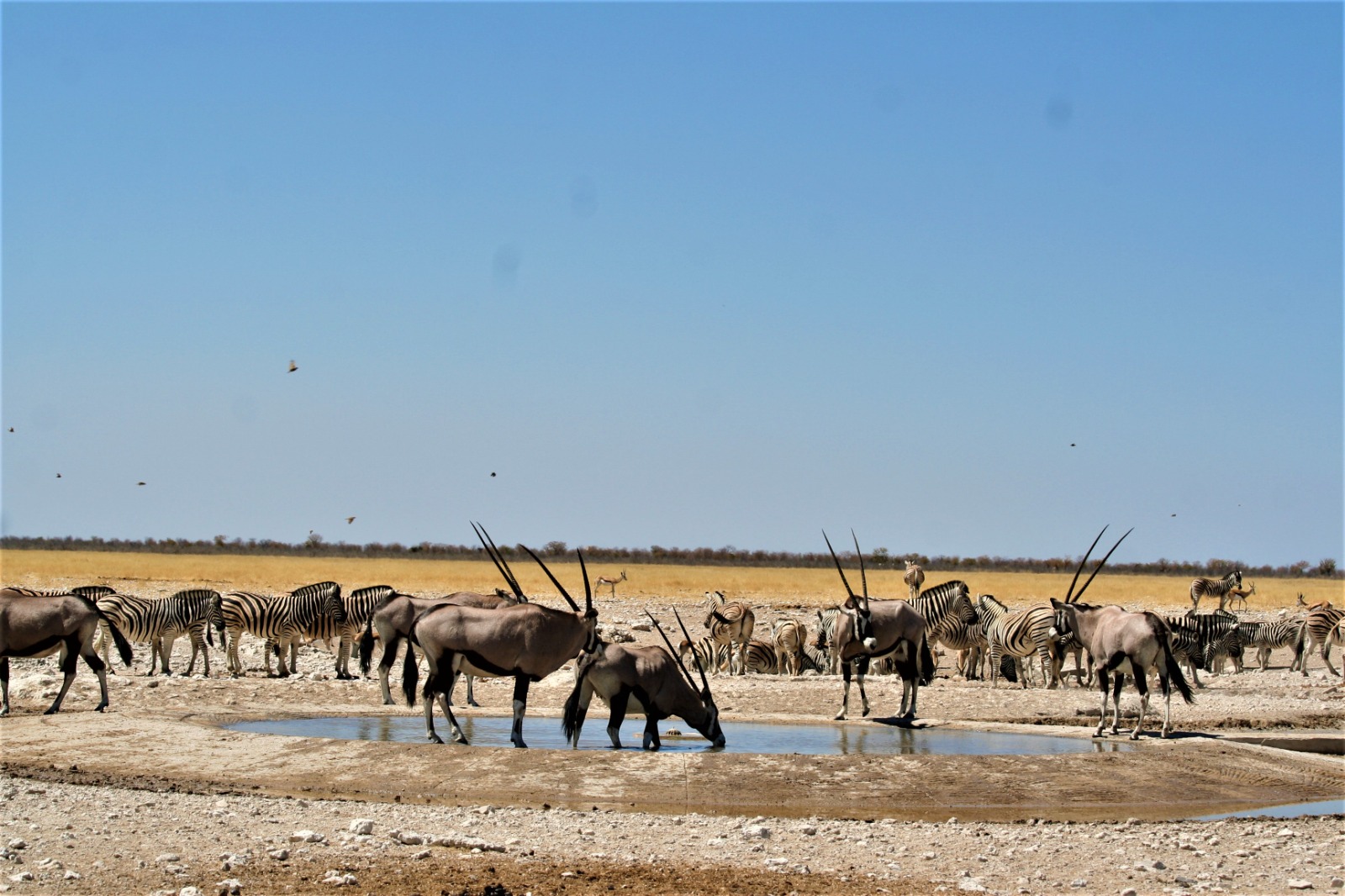
Most first-timers approach Etosha the same way. They drive in, follow the tar road between the most famous waterholes, take photos from the car window, and leave wondering if they missed something.
They did. It wasn’t a waterhole. It was a strategy.
Etosha rewards patience and timing above everything else. Here’s what you need to know before your Etosha national park self drive.
When to Visit Etosha: What the Season Actually Changes
The single most important factor in your Etosha experience isn’t which camp you stay at or which gate you enter through. It’s the time of year, and what that actually does to animal behavior.
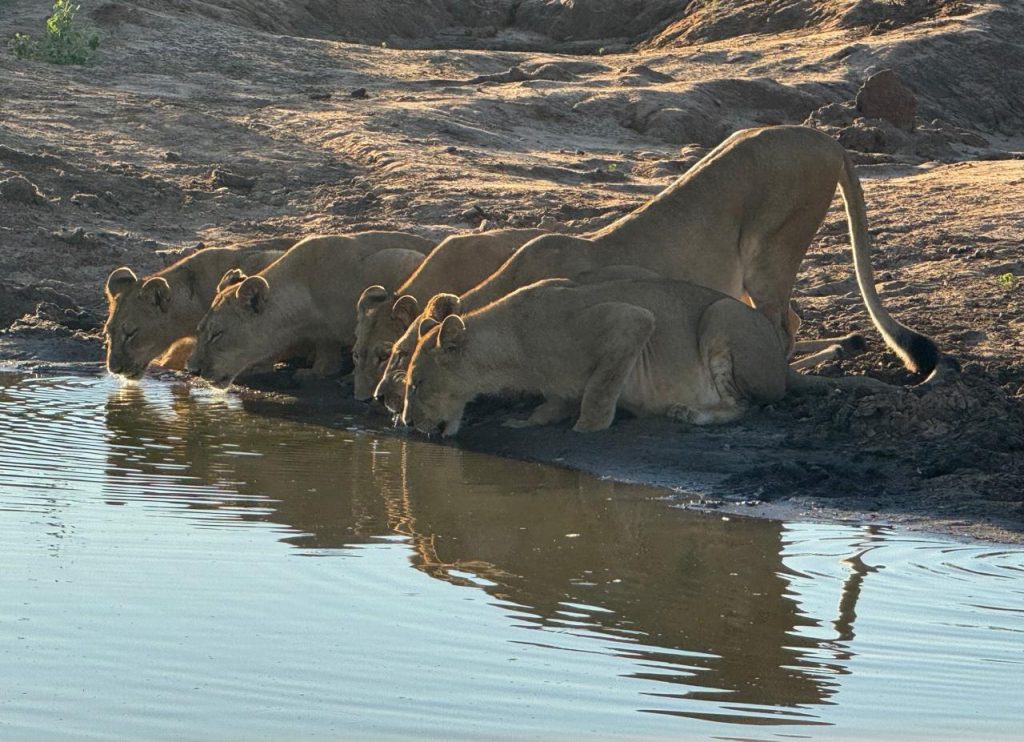
Dry season (June to September) is when Etosha delivers the wildlife spectacle most people imagine. With no standing water across the pan, animals are forced to congregate at a small number of permanent waterholes. Lion, elephant, giraffe, zebra, and springbok end up sharing the same water at the same time, out of necessity rather than coincidence. If volume and variety of sightings is your priority, this is your window.
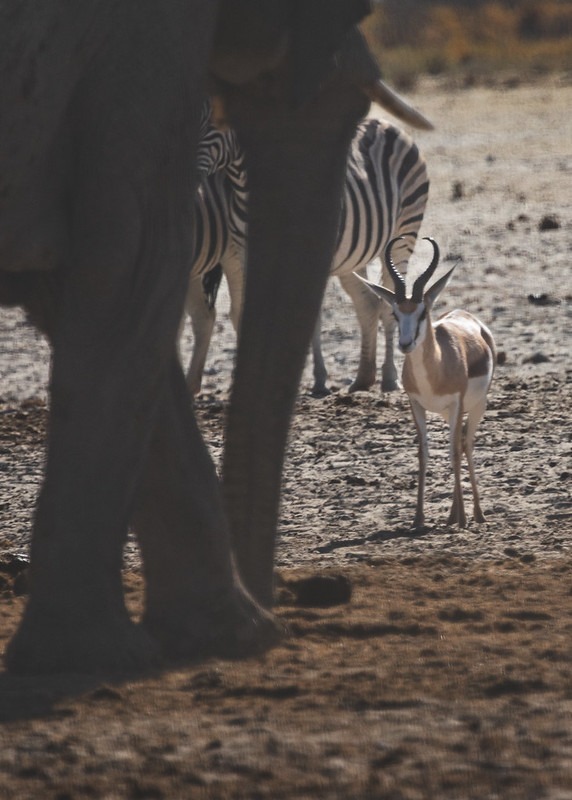
Green season (November to April) is a different park. Animals get much of their water from the vegetation they eat, and temporary puddles form across the pan, so sightings are spread out and less predictable. What you get in exchange: newborn animals everywhere, migratory species back from their wet-season wandering, and dramatic skies that the dry season never produces.
May is underrated. The migratory elephants have returned from the north, temperatures are mild, and the park is quieter than peak season. Worth serious consideration if you want strong sightings without the July–August crowds.
Whichever season you land in, book your NWR accommodation early. Etosha’s in-park camps sell out months ahead in peak season, and arriving without a reservation isn’t a workable plan.
Where the Animals Are: Thinking in Zones
A common mistake is assuming a waterhole’s name tells you what you’ll see there. Rhino Drive does not guarantee rhinos.
Think in zones instead. The area around Okaukuejo, in the west, is reliable for lion and rhino, especially at night when the floodlit waterhole comes alive. The central zone around Halali sits closer to dolomite hills and draws leopard more than the open pans do. The east, around Namutoni and the Fischer’s Pan area, is where you’ll find larger herds of elephant and a good shot at cheetah on the open grassland.
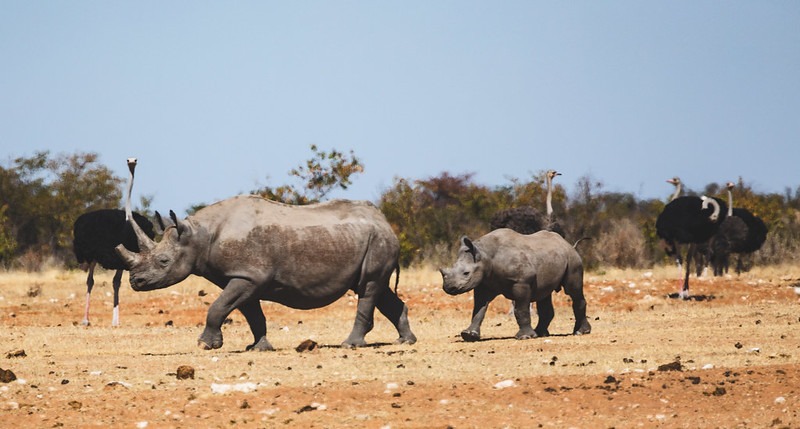
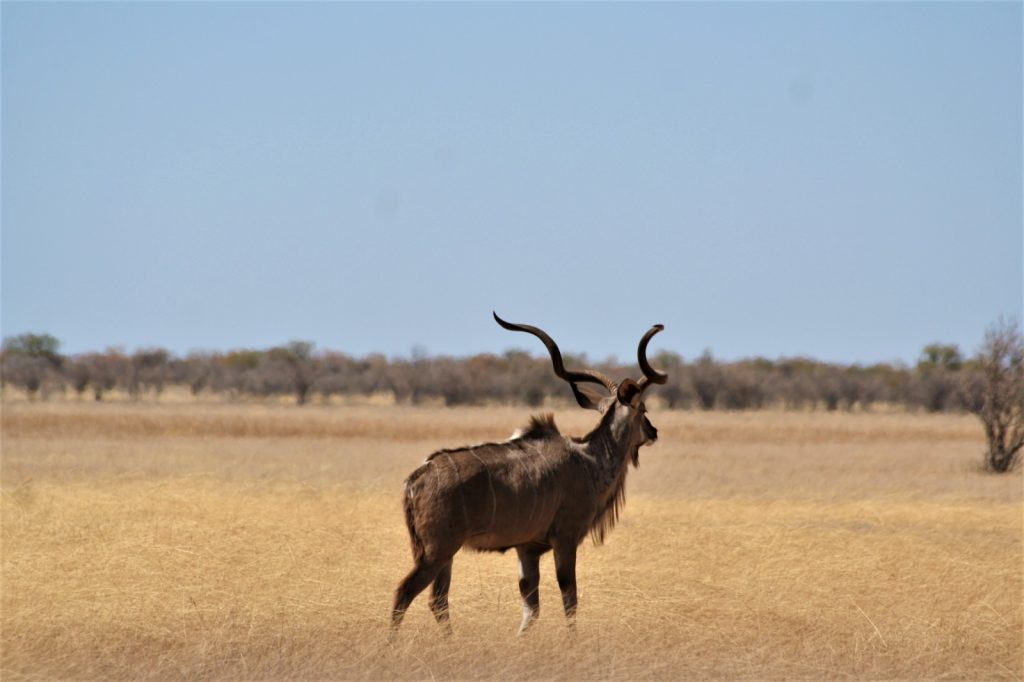
None of this is guaranteed. Etosha is wild, not curated. But knowing which zone favors which behavior turns a random drive into a deliberate one, and that shift matters more than any piece of gear you pack.
Bring binoculars. A basic pair changes what a waterhole sighting actually gives you, turning a distant shape into a lion, a jackal, or nothing at all worth stopping for.
Gate Strategy: Consider King Nehale
Most visitors enter through Anderson Gate in the south or Von Lindequist Gate in the east, simply because those are the gates everyone mentions first. King Nehale Gate, on the northern boundary near the Andoni Plains, gets a fraction of the traffic.
The Andoni area is open grassland, good for lion and large herds, and considerably quieter than the southern approach roads in peak season. If your route already brings you down from the north, routing through King Nehale instead of doubling back to a southern gate saves time and gives you a section of the park that most first-timers skip entirely.
How to Self-Drive Etosha
Drive slowly. The park speed limit is 60km/h on gravel and 40km/h near waterholes, and both exist for a reason beyond animal safety. The faster you drive, the less you actually see. Movement in the grass, a lion lying in shade twenty meters off the road, a jackal working the tree line. Speed is the enemy of good sightings.
Wait at waterholes. The instinct is to tick them off a list: arrive, scan, move on. Resist it. Pick one or two waterholes and sit. Give it twenty minutes, then thirty. Animals approach gradually, often from further away than you’d expect. Visitors who park and wait consistently see more than those who rush between stops.
Stay in the vehicle except at designated spots. It’s a legal requirement inside Etosha, not just good sense, and it applies everywhere outside the marked exceptions. Stick to the tracks too. Off-road driving is prohibited, and tire marks on Etosha’s soils can last for decades.
The Pocket Guide Namibia app has all of Etosha’s waterholes mapped, with notes on what each area is known for. Worth checking before you leave camp each morning.
Practical Essentials
Gate times change with the seasons and are tied to sunrise and sunset. Check current times before your trip and build your game drives around them. Being caught outside camp after closing carries a fine, and it isn’t treated as a gray area.
Fuel and basic supplies are available at all three main camps (Okaukuejo, Halali, Namutoni) but at a premium. Top up where you can before entering the park.
Etosha is one of the most accessible self-drive parks in Africa. Roads are well maintained, waterhole loops are clearly signposted, and a guide isn’t necessary to have an outstanding visit. What you do need is patience, a good map, and a willingness to slow down.
Before You Go
Etosha isn’t a park that rewards rushing. The visitors who come away with real stories are almost always the ones who drove slowly, waited at waterholes, and paid attention to the season they were traveling in.
Plan your route, check your gate times, and load the Pocket Guide Namibia app before you arrive. Everything you need to navigate the park independently is in there.
